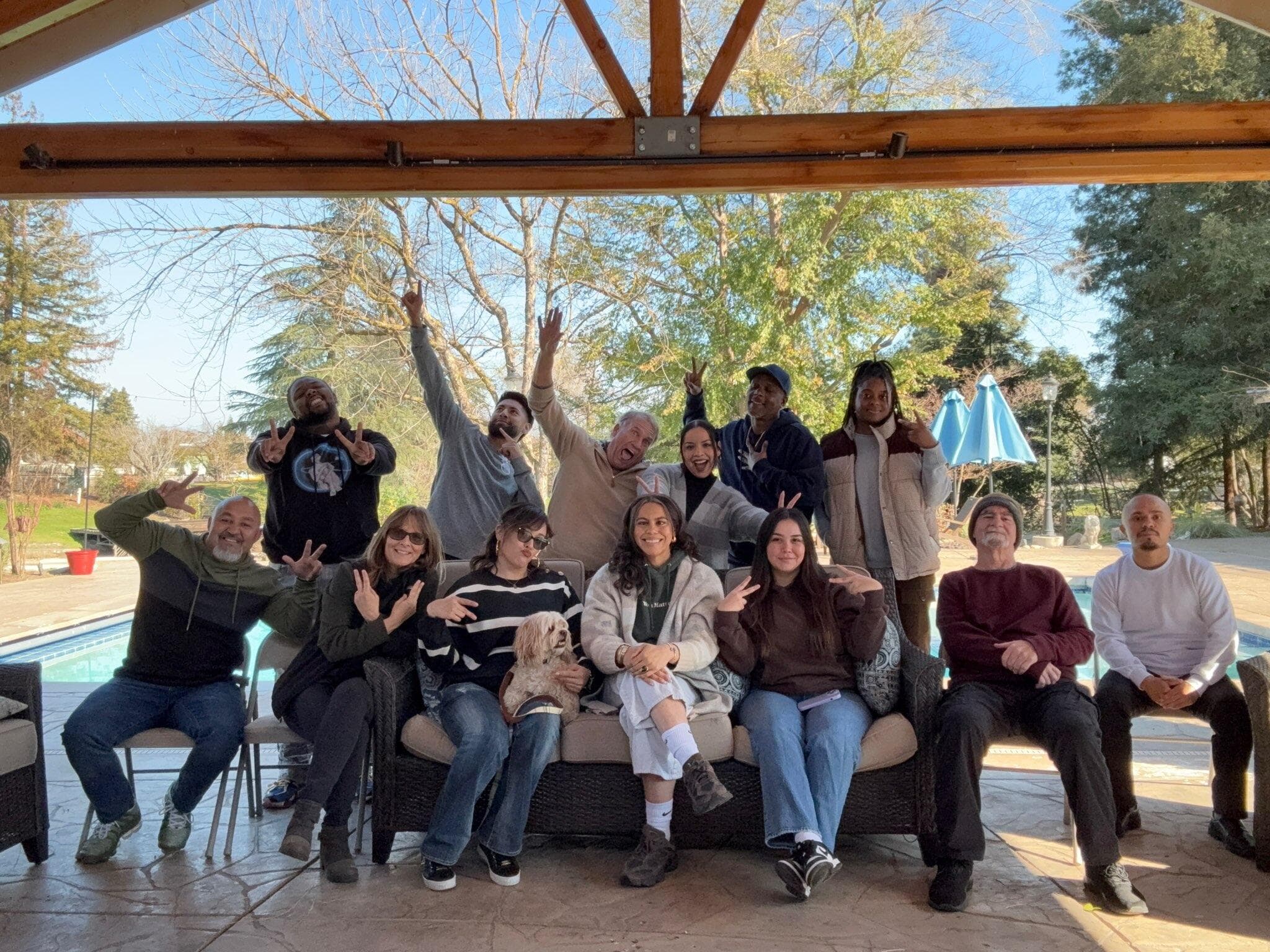
Community Safety Infrastructure
Public safety starts long before a 911 call.
Communities become safer when people have somewhere to turn before harm grows. CJC helps Fresno build the people, pathways, and partnerships that prevent conflict, support victims, strengthen families, and create safer neighborhoods.
The Big Idea
Cities need more than enforcement infrastructure.
Police, courts, and corrections remain important. But safer communities also require prevention, healing, accountability, victim support, education, and trusted relationships.
Public Safety Has Two Sides
The formal system responds to harm. Community infrastructure helps reduce harm.
Fresno needs both. A safer city is not built by response alone. It is built by strengthening the places where conflict slows down, victims are supported, youth are connected, and families can find help.
Traditional Safety Infrastructure
Responds to crisis
Community Safety Infrastructure
Prevents, repairs, and reconnects
Reinforcement, Not Opposition
Help support law enforcement by helping create safer communities.
Law enforcement responds to crisis. But lasting public safety also requires families that are supported, youth that feel connected, victims that are not abandoned, schools with positive culture, neighborhoods with trust, and communities that know how to heal before violence spreads.
Community Safety Includes
What This Looks Like
Community safety is built in everyday places.
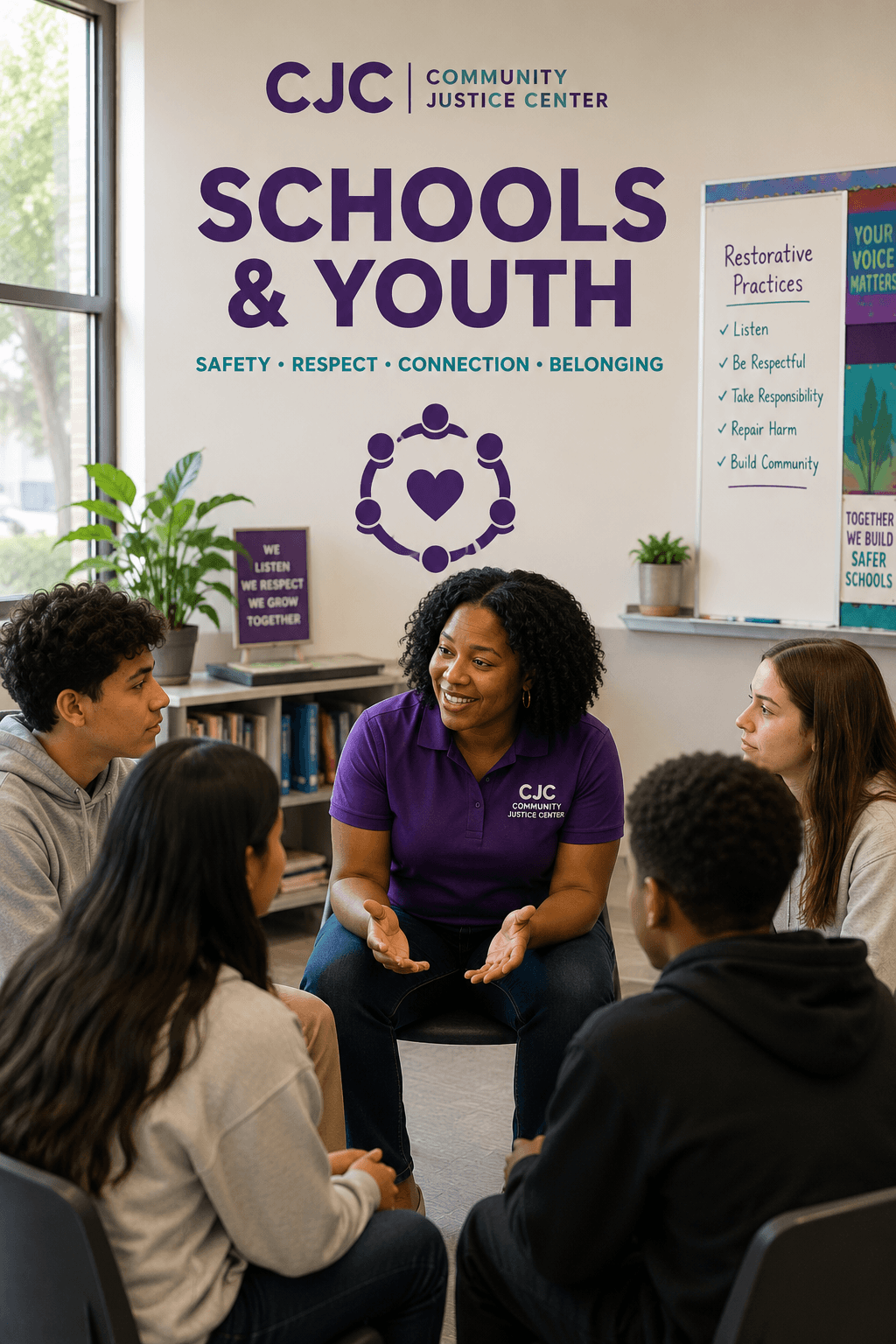
Schools
Young people need guidance, belonging, accountability, and another path before conflict becomes exclusion.
Community
Neighbors, volunteers, families, and local leaders create the relationships that make safety real.
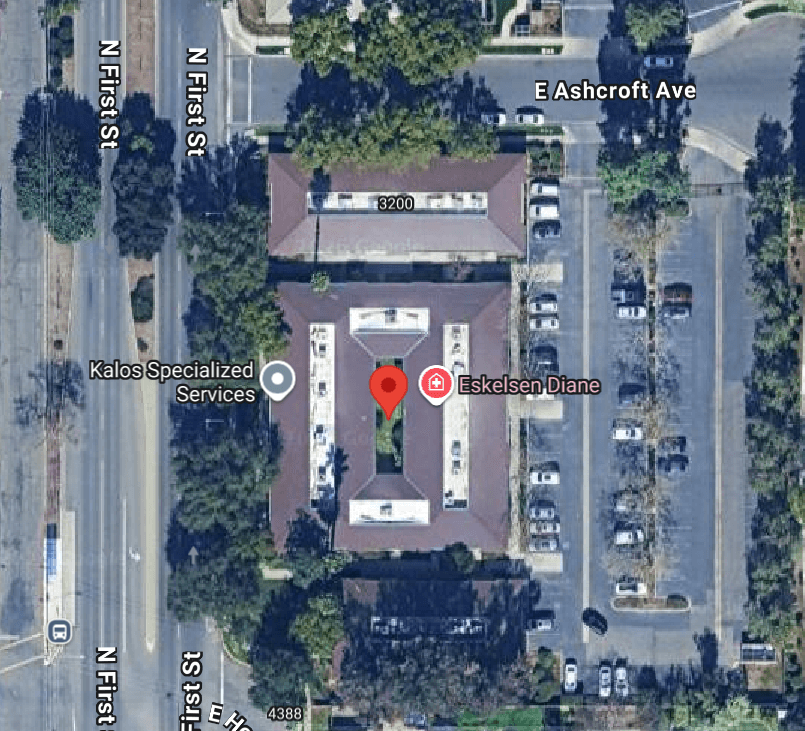
Campus
A visible home for mediation, restoration, education, reentry, and community partnership.
How Community Safety Works
CJC helps Fresno build pathways before, during, and after harm.
Before crisis
Mediation, school partnerships, youth leadership, and community education help address conflict earlier.
After harm
Victim referral pathways, restorative justice options, AB 60 referrals, and support help people seek information, accountability, and possible repair.
During transition
Reentry support, family reconnection, accountability circles, and community mentors help people return with responsibility and belonging.
Across Fresno
Schools, courts, neighborhoods, volunteers, faith groups, nonprofits, and public agencies can share a stronger community safety language.
Community Infrastructure Changes Outcomes
The difference is often whether someone has somewhere else to go.
Community safety infrastructure gives people options before situations become emergencies.
Without Support
Family conflict escalates
Police become involved
Court intervention follows
Relationships fracture
With Mediation
Conversation begins
Conflict slows down
Agreements are created
Relationships can continue
Community Result
Less crisis
Less system involvement
Less trauma
More stability
Why Fresno
Fresno already has the people.
Fresno is full of people doing the work. Teachers. Volunteers. Victim advocates. Mediators. Faith leaders. Community organizations. Neighbors helping neighbors.
What Fresno needs is stronger infrastructure around the people already building safer communities.
Safer communities are not built
by arresting everyone.
They are built by giving people somewhere else to go.
Community safety happens when people can find help before crisis, accountability after harm, and belonging during transition.
What CJC Produces
Not just services. Local capacity.
The work produces human infrastructure: trained people, trusted relationships, clear referral routes, and community capacity that remains after a single case or program ends.
Funding community justice means funding the people, relationships, training, and pathways that help Fresno become safer.
Community safety infrastructure is not a side project. It is a city asset.